

IIT DelhiContinuing Education Programme

Certification in Applied Quantum Computing and AI

One of India's first applied quantum programme. Built for the quantum decade. A programme offered by the CEP, IIT Delhi.

6.5 MonthsLive Online + RecordedOptional campus immersion
Application Open Now

Enquiry about programme

Share your details and a programme counsellor will guide you through the next steps

+91

By submitting this form, you agree to our Terms of Service & Privacy Policy and to be contacted by us via Call/Email/WhatsApp/SMS.

PROGRAMME OVERVIEW

What this programme is?

Quantum computing is moving out of the research lab and into national strategy and enterprise roadmaps. Governments are funding it at national-mission scale, the security community is moving on a fixed migration deadline, and the supply of qualified people is nowhere near the demand. This programme is built to develop applied quantum depth that the market is short of.

6.5 Months
Weekend, parallel to job
156 hrs
Online class + recorded
Multiple projects
4 + 1 Final Capstone
Weekend Batch
Built for working professionals

Industry vetted curriculum

AI-first, from applied foundations to a deployed capstone

15 modules across 4 phases, 156 hours of live, hands-on learning. Expand any module to see what you’ll actually do — then head to Projects to see the capstones that turn it into a portfolio.

How is this module future-proof

Mathematical foundations never go out of date - the same vector spaces and probability underpin every future quantum framework and AI architecture.

Module 1 · Foundations · 12 hrs

Mathematical Foundations for Quantum & AI

The mathematical toolkit behind every quantum algorithm and ML model.

Linear AlgebraProbabilityComplex NumbersAI/ML Maths Bridge

How this module is helpful

01

Builds linear-algebra, probability and complex-number fluency from scratch.

02

Adds an AI/ML maths bridge so quantum and ML share one toolkit.

03

Removes the maths bottleneck so later modules focus on ideas, not catch-up.

Want to dive deeper into the details?

Portfolio-grade projects

Five builds, one portfolio you can defend

Every milestone ends in a working quantum artefact — not a page of notes. Four mini-capstones compound steadily into a single, portfolio-grade final project you can demo to employers and defend to an expert panel.

Mini-Capstone 1 · After Module 4 · Foundations

Quantum Coin Flipper + Bell State Explorer

Implement a fair and biased quantum coin using Hadamard and Ráµ§ rotations, then verify the output distributions over 1024 shots on the IBM Quantum free tier. Extend it to a two-qubit Bell state, measure the correlations, and confirm genuine entanglement numerically via the CHSH inequality.

CapstoneIBM QuantumFirst Artefact

Quantum coin flipper and Bell state circuit — Mini-Capstone 1 concept illustration
Project deliverable icon

Deliverable: Notebook + shot-distribution plots + a one-page note on what no classical system can reproduce.

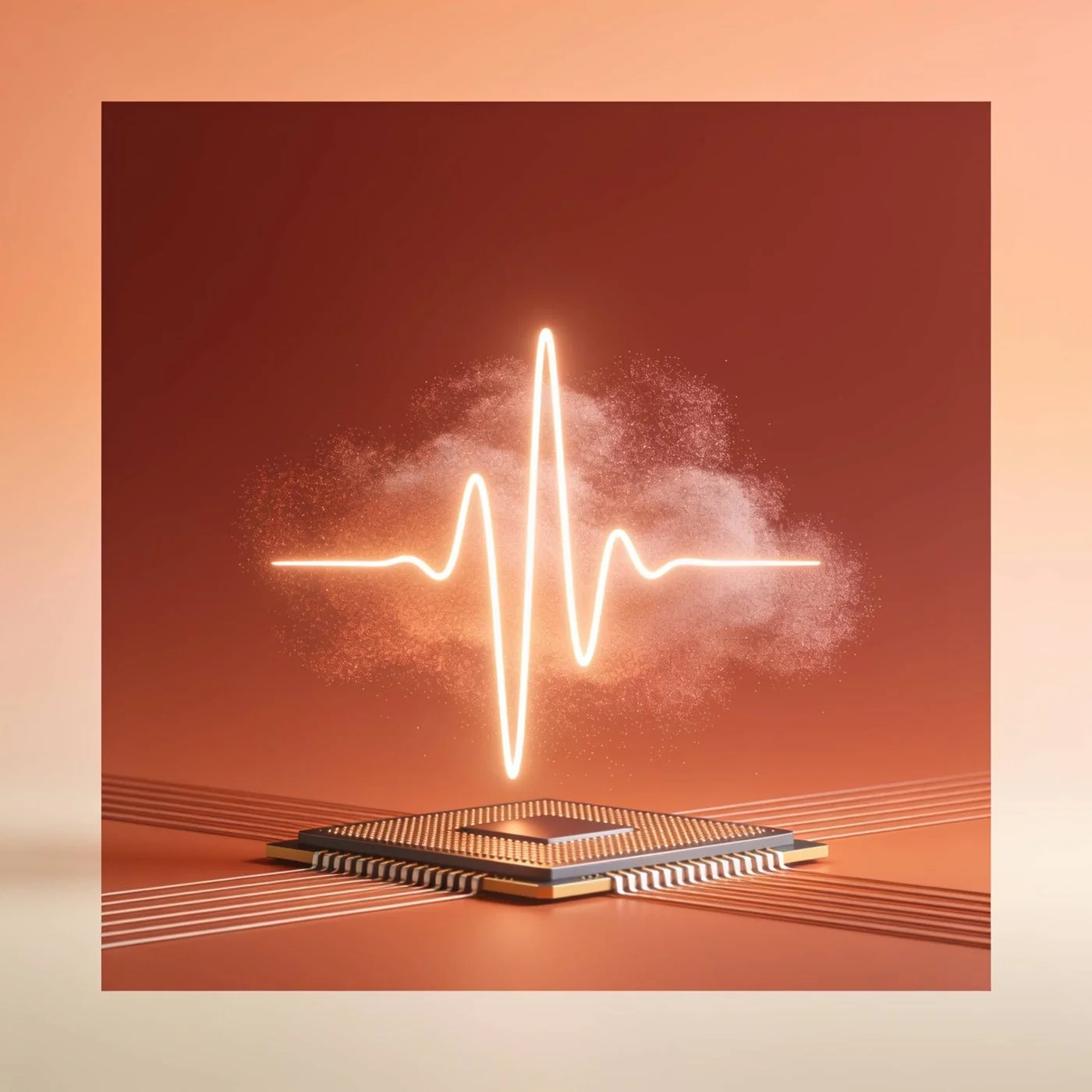
Mini-Capstone 2 · After Module 9 · Algorithms

Ansatz Zoo — Design, Compare, and Characterise

Implement 3–4 ansatz families — hardware-efficient, UCCSD-inspired layered, alternating-operator and brick-wall — on a small 4–6 qubit problem. Measure expressibility, entangling capability, circuit depth and parameter count for each, then run optimisation with COBYLA/SPSA and compare convergence.

CapstoneOptimisationClassical Benchmark
Ansatz design and optimisation vs classical benchmark — Mini-Capstone 2 concept illustration
Project deliverable icon

Deliverable: Comparison table + expressibility plots + a one-page ansatz recommendation with justification.

Mini-Capstone 3 · After Module 13 · Hardware & Security

QAOA on a Real Combinatorial Problem — Noise vs. Ideal

Encode a concrete problem — portfolio selection, Max-Cut or job scheduling — as a QUBO. Run QAOA at p=1 and p=2 on both a noise-free simulator and a real IBM backend. Apply a noise-mitigation technique (zero-noise extrapolation or measurement-error mitigation) and quantify the recovery.

CapstoneQECNoise MitigationReal Device
QAOA noise vs ideal on a real quantum device — Mini-Capstone 3 concept illustration
Project deliverable icon

Deliverable: Noiseless vs. noisy vs. mitigated results + a circuit-depth/fidelity tradeoff analysis.

Mini-Capstone 4 · After Module 15 · Quantum-AI Convergence

Quantum Kernel + Classical ML Hybrid on a Real Dataset

Use a quantum feature map (ZZFeatureMap or a custom parametrised circuit) to embed classical data into Hilbert space. Train a QSVM and benchmark it against a classical RBF-kernel SVM and a shallow neural network on the same dataset. Interpret where the quantum kernel actually helps — if at all — and what the feature map’s expressibility provides.

CapstoneQuantum KernelsClassifier
Quantum kernel embedding classical data into a higher-dimensional Hilbert space — Mini-Capstone 4 concept illustration
Project deliverable icon

Deliverable: Benchmark table + a quantum-vs-classical kernel visualisation.

Ready to join Applied Quantum Computing and AI and take your first step towards success?

LEARNING OBJECTIVES

What you will be able to do

Six capabilities you build and practise through the programme, from first principles to production.

01

Think & code in quantum with qubit programming, algorithms, quantum foundations

02

Run on real quantum hardware and execute with Qiskit

03

Solve real problems with quantum optimisation, AI/ML pipelines and NISQ engineering

04

Engineer quantum-safe security; QKD, post-quantum cryptography, PQC migration

05

Make results reliable with error correction and AI-driven noise mitigation on real devices

06

Build a portfolio capstone; integrate the quantum-AI stack, defend to an expert panel

FACULTY & EXPERTS

Taught by IIT Delhi. Supported by industry.

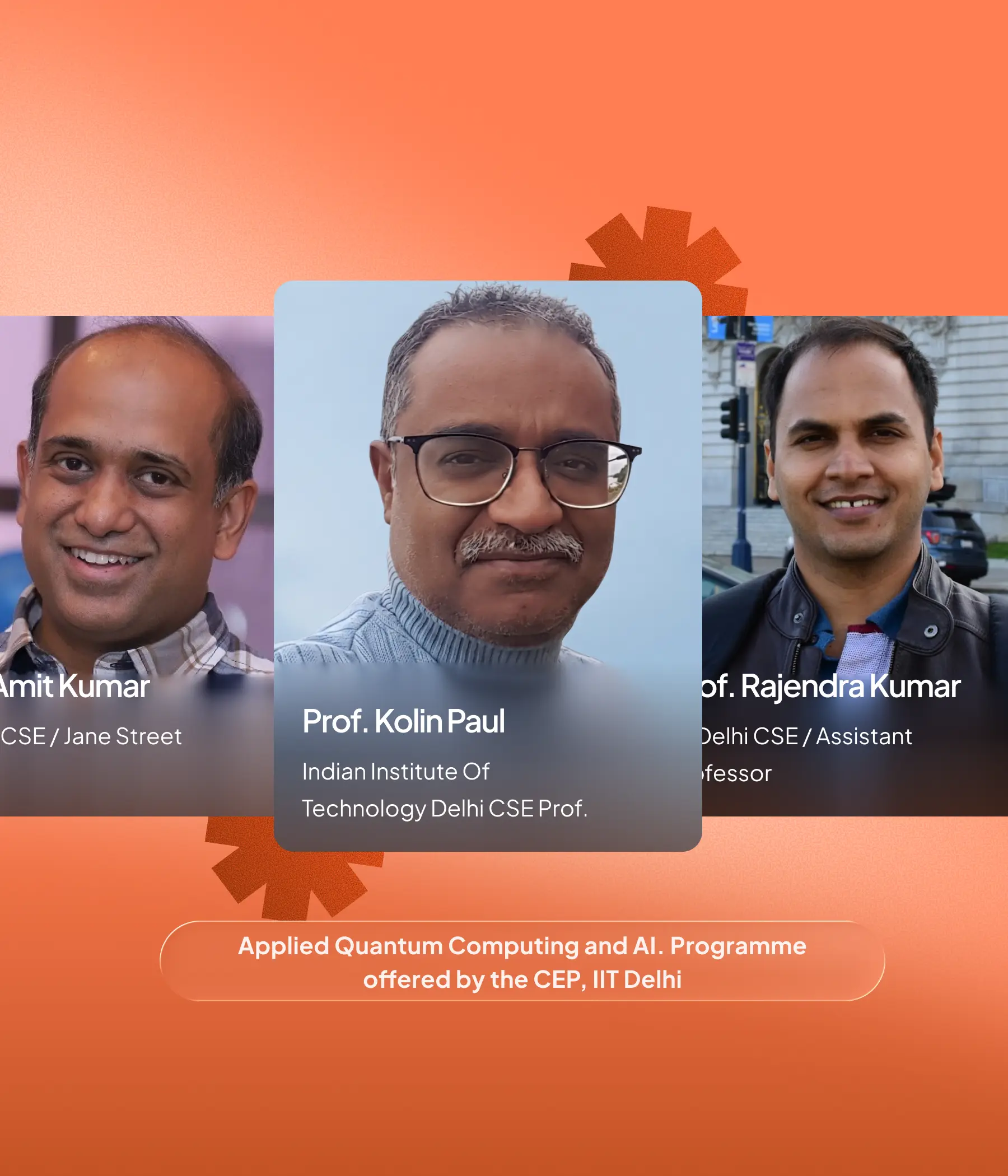
Led by distinguished IIT Delhi CSE faculty across quantum computing, post-quantum cryptography, combinatorial optimisation and AI.

Online Algorithms

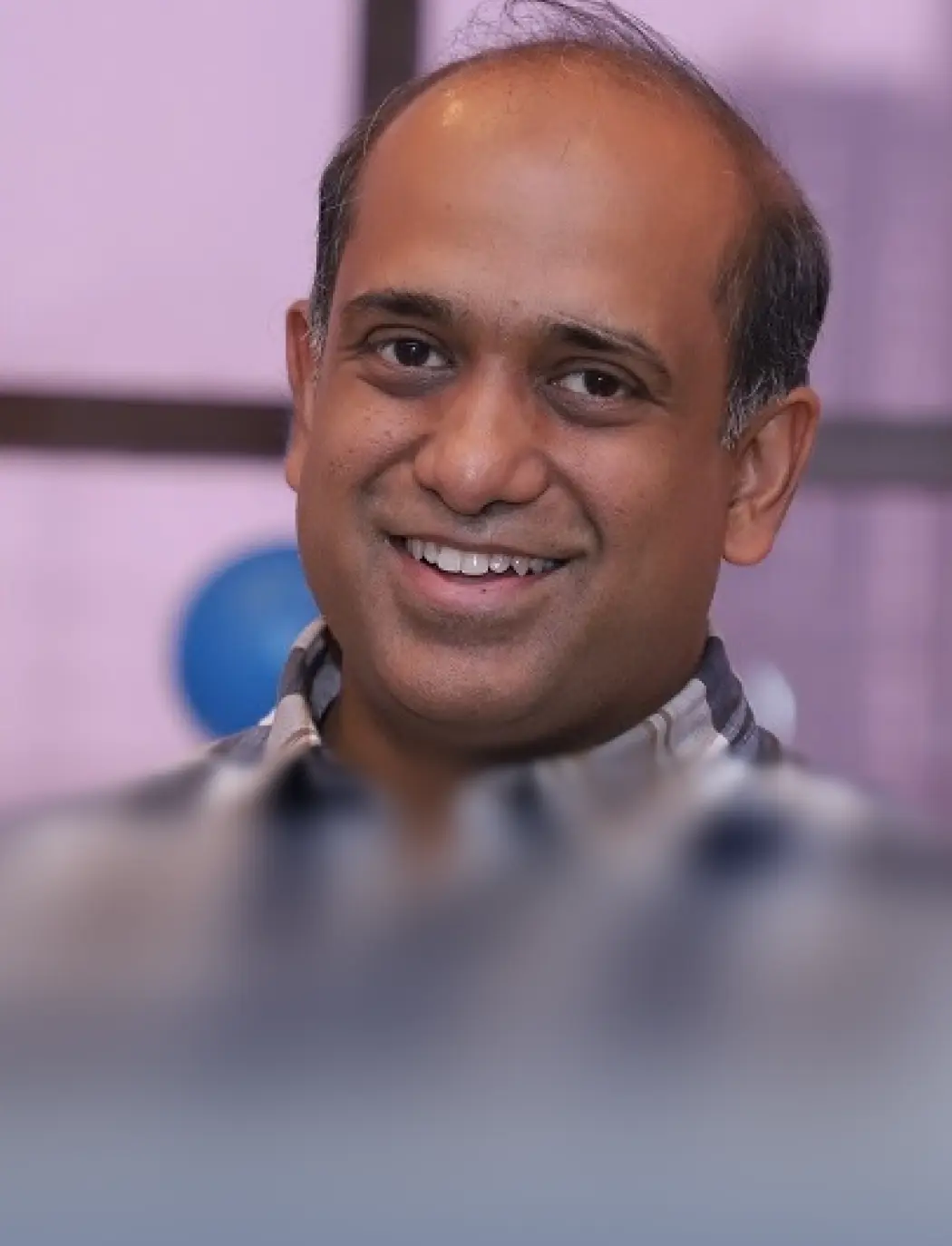
Prof. Amit Kumar

IIT Delhi CSE / Jane Street Chair

Research in combinatorial optimisation, online algorithms and fairness. Recipient of the Shanti Swarup Bhatnagar Prize for Mathematical Sciences.

Computing Systems Architecture

Prof. Kolin Paul

IIT Delhi CSE / Professor

Research in embedded systems, Reconfigurable Computing, Accelerators for AI, QCA and CAD for Quantum Computing

Post-Quantum Security

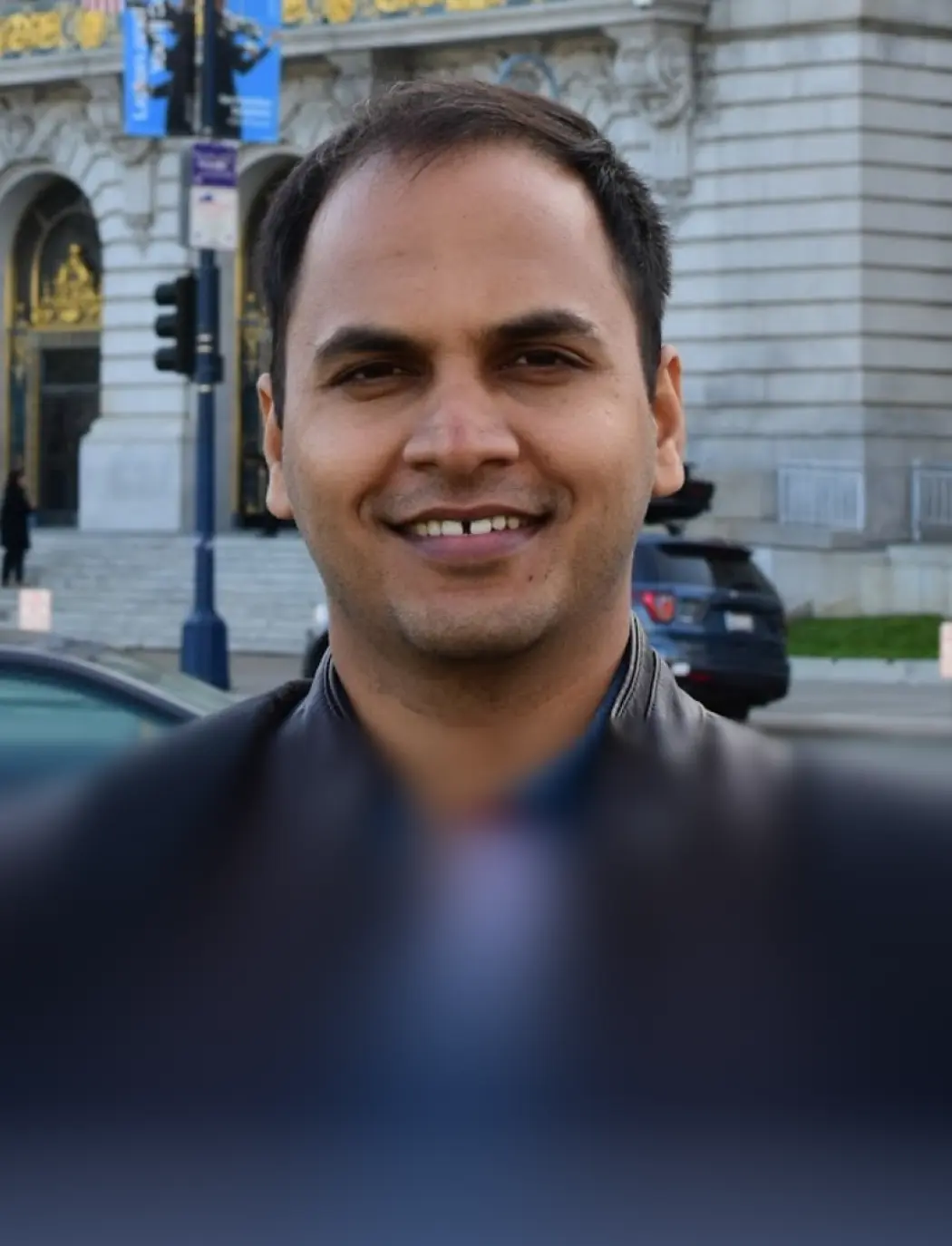
Prof. Rajendra Kumar

IIT Delhi CSE / Assistant Professor

Research spans quantum computing, cryptography, fine-grained complexity, and the foundations of lattice-based post-quantum security.

TOOLS AND TECHNOLOGIES

The applied quantum toolchain

You build with the tools quantum teams actually deploy on. Capstone topics and tools are indicative. The Programme faculty may update them to reflect the most current industry needs at the time of delivery

WHY NOW

Quantum is the skill in shortest supply

The shortage isn't people who understand quantum in theory, it's people who can build with it.

6,003 Cr

India's National Quantum Mission outlay

STATS BY

Union Cabinet, Apr 2023

41.8%

Quantum computing market CAGR to 2030

STATS BY

MarketsandMarkets, 2025

~3:1

Open quantum roles vs qualified talent by 2030

STATS BY

TileSearch / Fact.MR, 2024

FIPS 203/204/205

NIST's first post-quantum cryptography standards

STATS BY

NIST / CISA, 2024

HOW YOU LEARN

Learn the way the work actually happens

A weekend-friendly, fully live cadence. Every concept paired with hands-on labs and quantum case simulations

  1. 01

    Live, faculty-led online sessions

    Learn synchronously from IIT Delhi faculty and working practitioners, ask questions in the moment, debate trade-offs with your cohort, and get direct feedback on your code and reasoning while it still matters.

  2. 02

    Hands-on labs on real quantum hardware

    Every concept is paired with a guided, build-it-yourself lab in Qiskit. You write and run real quantum code, execute circuits on actual qubits, and watch how the theory behaves on noisy hardware, not just inside a clean simulator.

  3. 03

    Milestone-driven capstone build sprints

    Learning is organised into focused build sprints, so every milestone ends in a working quantum artefact rather than a page of notes. Four mini-capstones compound steadily into a single, portfolio-grade final project you can demo to employers and defend to an expert panel.

  4. 04

    Masterclasses with industry practitioners

    Regular masterclasses bring in quantum, AI/ML and cybersecurity practitioners to connect what you are learning to where the field is actually heading. You hear how real teams take these techniques into production and exactly what they look for when they hire.

  5. 05

    Optional IIT Delhi campus immersion

    An optional, two-day in-person immersion at IIT Delhi: hands-on time with faculty, peer networking with your cohort.

CAMPUS IMMERSION

We brought the same learning experience to you

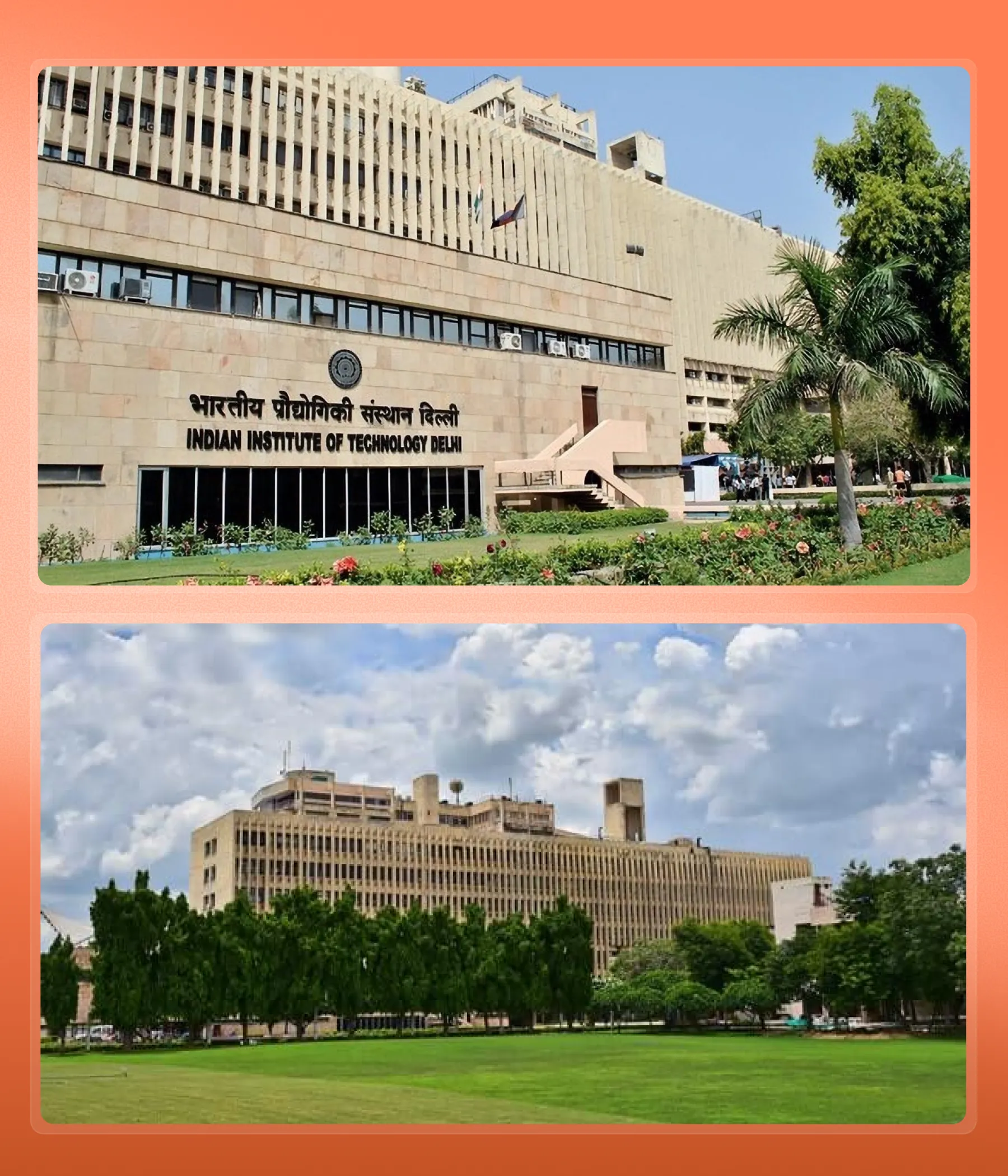
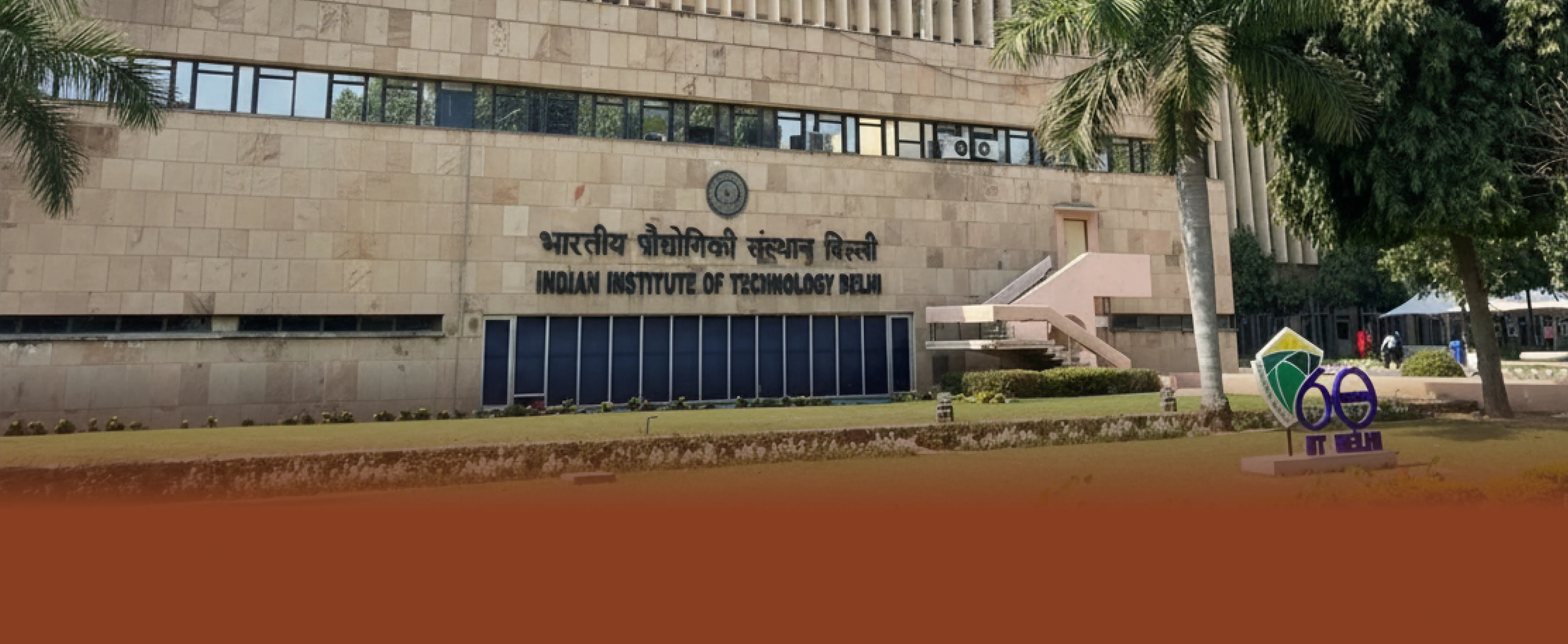
This programme is delivered online, built to fit around a full-time job. The campus immersion adds an 2-day in-person experience at IIT Delhi,

Indian Institute of Technology Delhi campus

Indian Institute of Technology - Delhi

An offline immersion programme for interaction between faculty and learners in IIT Delhi campus. (Optional for learners to attend). Note: Travel and accommodation cost will be borne by the learners. IIT Delhi will not be responsible for the same. Hybrid option will be open to candidates who are unable to come on campus.

Campus learning

In-person sessions and hands-on labs inside IIT Delhi's research facilities.

Faculty interaction

Interact directly with IIT Delhi faculty, researchers, and industry mentors.

Peer networking

Build a lasting network with a driven cohort of working professionals.

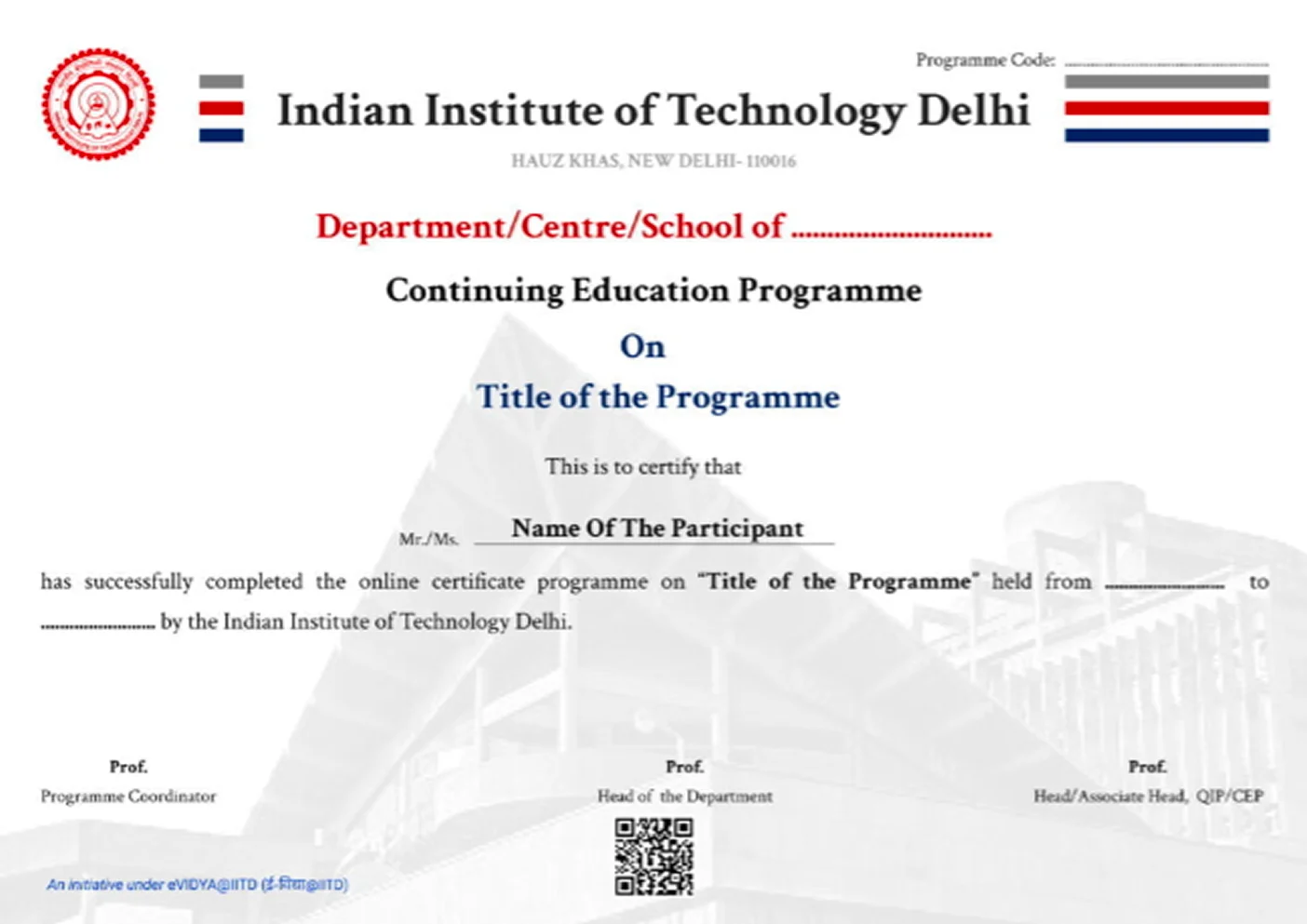
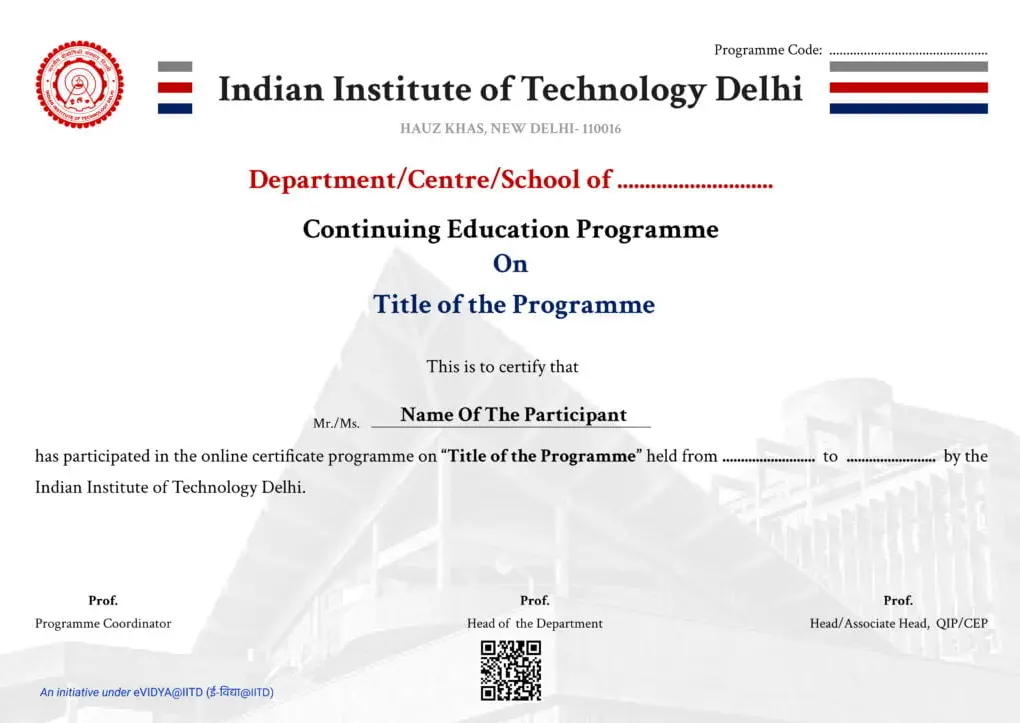
Certificate

An IIT Delhi CEP certificate

Earn a Continuing Education Programme verifiable e-certificate from IIT Delhi when you complete the programme.

Certificate of Successful Completion

IIT Delhi CEP certificate

Minimum 50% attendance and a minimum score of 50% in evaluation component.

Certificate of Participation

IIT Delhi CEP certificate

Minimum 60% attendance is required to qualify for the certificate of participation.

WHO SHOULD ENROL

Is this for you?

Designed for working professionals who want to move faster, think sharper, and build with AI.

6.5 Months

DURATION

Weekend

live sessions

Live online

FORMAT

July 2026

STARTS

01

Engineering & computing graduates

  • B.Tech or BE in any engineering discipline, ready to build genuine quantum depth on a strong technical base
  • BCA or MCA graduates, undergraduate or postgraduate, moving into applied quantum and quantum-AI work

02

Science & quantitative graduates

  • B.Sc graduates across all science streams looking to convert strong fundamentals into applied quantum skills
  • BA or MA in Mathematics or related quantitative fields, with the mathematical grounding the programme builds on

03

Working professionals in technology roles

  • Currently in a technology role, looking to add quantum and AI depth that compounds over a career
  • Or with base-level programming experience in any domain and the drive to train early, deep, and applied

Admissions

Know important dates and the admission process.

Follow the steps to understand how cohort information works.

Cohort Calendar

  1. 15th Oct'26Application Closes
  2. 17th Oct'26Cohort starts
  3. Cohort ends April 2027

Admission Process

  1. 1Apply through the IIT Delhi CEP programme page. Application Fee of INR 1000 applicable.
  2. 2Applications reviewed by the IIT Delhi CEP admissions team.
  3. 3Offer letter rolled out. Confirm your seat by paying instalment of INR 15000 to proceed.
  4. 4Cohort begins 17 Oct 2026. Orientation by the Programme Co-ordinator.
  5. 5Refund Policy: Within 15 days: 80% refund (excl. tax) and no refund after 15 days.

Starting at

₹14,996/month

Total ₹ 2,50,000*plus GST

Learn AI, stay ahead, and make the best investment for your future with EMI options.

Payment

Application Fee1,000
Instalment 1 15,000

Balance + GST as one-shot, or EMI via NBFC partners.

Refund Policy

Within 15 days80% refund (excl.tax)
After 15 daysno refund. Processed in 30 working days.
Request A Callback

Note

  • All fees should be submitted in the IIT Delhi CEP account only, and the details will be shared post-selection.
  • The receipt will be issued by the IIT Delhi CEP Account for your records, which can be downloaded from the CEP Portal.
  • Loan and EMI options are services offered by InterviewBit. IIT Delhi is not responsible for the same.

Withdrawal & Refund from the Programme:

  • Candidates can withdraw within 15 days from the programme start date. A total of 80% of the total fee received will be refunded. However, the applicable tax amount paid will not be refunded on the paid amount.
  • Candidates withdrawing after 15 days from the start of the programme session will not be eligible for any refund.
  • If you wish to withdraw from the programme, you must email cepaccounts@admin.iitd.ac.in and refunds_varsity_iitd@interviewbit.com stating your intent to withdraw. The refund, if applicable, will be processed within 30 working days from the date of receiving the withdrawal request.

FAQ

The questions you are already asking

The honest answers to the questions that might be holding you back.

Who is this programme for?
Engineers, computing and science graduates, and working tech professionals who want genuine, applied depth in quantum computing and its applications across AI/ML, optimisation, cybersecurity and emerging hardware — not a survey course.
What are the eligibility criteria?
A B.Tech/BE in any engineering discipline; BCA or MCA; a B.Sc in any stream; a BA/MA in Mathematics or a related quantitative field; or working professionals in technology roles with a base level of programming experience. Admission is selective and screened for fit with the cohort's technical density.
I've never studied quantum computing — can I cope?
Yes. The curriculum starts at the mathematical and qubit foundations and builds up across 16 modules to a full quantum-AI stack. Because admission is screened, the cohort moves together from a comparable starting point.

Ready to build on real quantum hardware? Let's talk.

Request A Callback